Collagen, Retinol, Ceramides: What Do These Ingredients Actually Do?
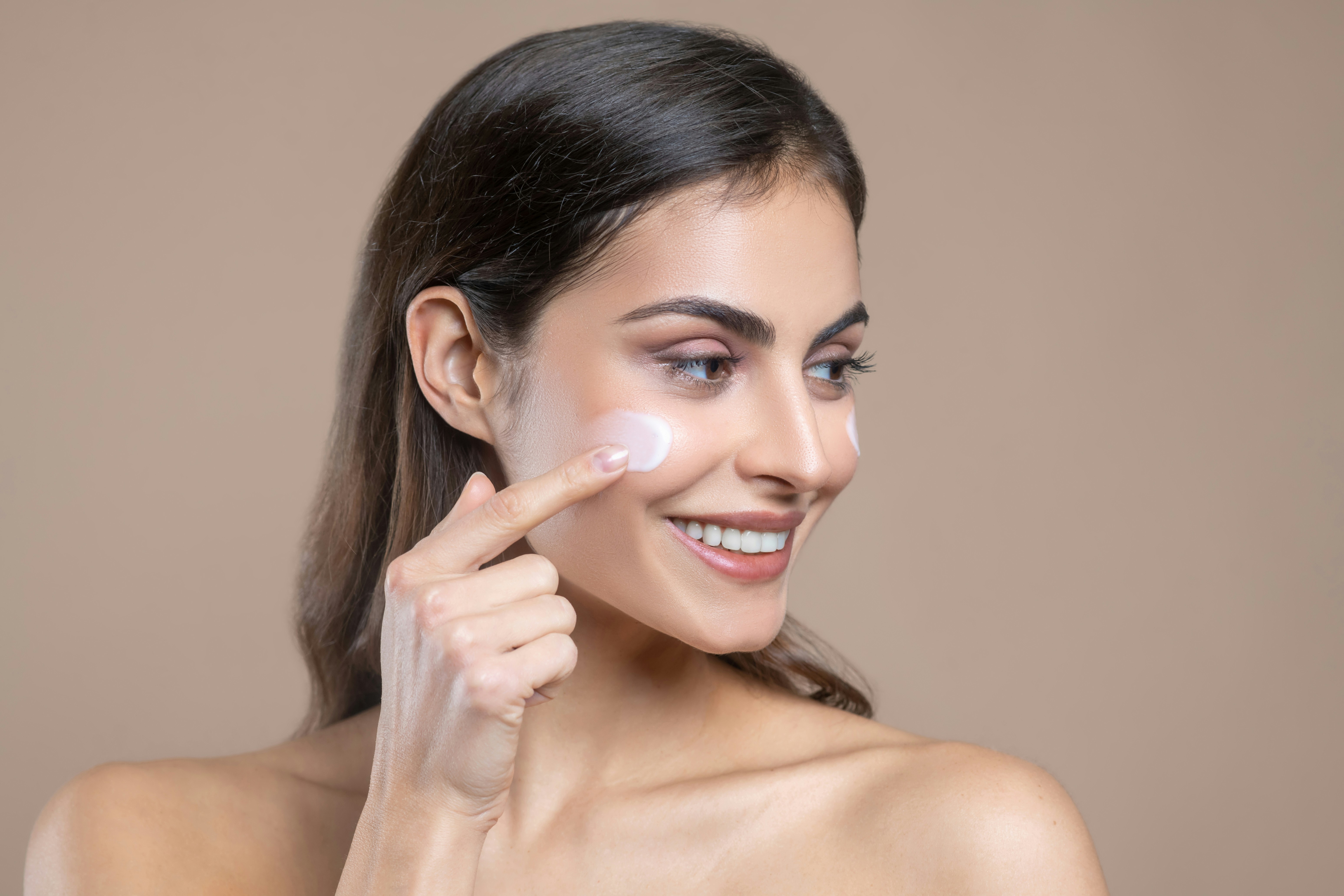
If you've ever stood in a skincare aisle — or scrolled through one — you've seen these words plastered on just about everything. Collagen. Retinol. Ceramides. They sound impressive. But what do they actually do for your skin, and do you really need them?
Let's break it down in plain language, so you can make smarter choices for your skin — and know exactly when a professional treatment can take things to the next level.
Collagen: Your Skin's Support Structure
Think of collagen as the scaffolding underneath your skin. It's a protein your body produces naturally, and it's responsible for that firm, plump, bouncy quality that we associate with youthful skin.
Here's the catch: starting in your mid-20s, your body produces about 1% less collagen every year. Sun exposure, stress, smoking, and poor sleep speed that process up. The result? Fine lines, looser skin, and a loss of that natural glow.
Who benefits most: Anyone noticing early signs of aging — fine lines around the eyes or mouth, skin that feels less firm than it used to.
What to look for in products: Hydrolyzed collagen peptides, vitamin C (which supports your body's own collagen production), and growth factors like those found in the Endocare line.
At Brisa: Nuestra Anti-Aging Facial and Dermapen Premium Facial are designed to stimulate your skin's natural collagen production from within — using technology that creates microscopic channels in the skin to trigger a healing response. The result is firmer, more radiant skin over time, not just on the surface.
Retinol: The Gold Standard of Skin Renewal
Retinol is arguably the most well-researched skincare ingredient in existence. It's a derivative of vitamin A, and it works by speeding up your skin's natural cell turnover — essentially pushing fresh, healthy cells to the surface faster.
The benefits are wide-ranging: it smooths fine lines, fades dark spots, refines pores, and helps with acne. But it also comes with a learning curve. Retinol can cause dryness and sensitivity, especially when you first start using it, which is why it matters how you use it.
Who benefits most: Those dealing with uneven skin tone, pigmentation, acne, or early to moderate signs of aging.
How to use it wisely: Start slow — two to three nights a week. Always follow with a good moisturizer, and never skip SPF the next morning. Retinol makes your skin more sensitive to the sun.
What to look for in products: Our premium Korean Retinol Serum Plumping Mask is a great way to introduce the ingredient gently, giving you the benefits without the full commitment of a daily retinol routine.
At Brisa: If you're dealing with pigmentation or want a more intensive renewal, our Despigmentación facial and Signature Facial Peeling work beautifully alongside a retinol home routine to deliver faster, more visible results.
Ceramides: The Ingredient Your Skin Barrier Can't Live Without
Ceramides are lipids (fats) that make up a huge part of your skin's outer barrier — the protective layer that keeps moisture in and irritants out. Think of them as the "mortar" between the skin cells (the bricks). When ceramide levels drop — due to aging, harsh cleansers, environmental stress, or over-exfoliation — that barrier gets compromised.
The signs? Skin that feels tight, dry, or reactive. Redness that doesn't seem to go away. Sensitivity to products that used to be fine.
Who benefits most: Sensitive skin types, anyone who's over-exfoliated or used strong actives, dry skin, and mature skin.
What to look for in products: Our premium Korean Ceramide Nourishing Mask is a quick, effective reset for a stressed barrier. For daily support, the Dermedic Hydrain line — including the hydrating day cream and night cream — is formulated specifically to rebuild and protect.
At Brisa: Nuestra Facial para piel sensible and Facial hidratante are designed around barrier repair. If your skin has been feeling reactive or just off, these are the treatments to start with before adding any stronger actives to your routine.
The Honest Answer: Products + Treatments Work Best Together
Here's something worth knowing: most skincare ingredients work on the surface of the skin. They can absolutely make a difference — especially when used consistently and correctly — but there's a ceiling to what topical products alone can achieve.
Professional treatments work at a deeper level. They can stimulate collagen production in the dermis, accelerate cell turnover across the whole face evenly, and address concerns that no serum can fully reach on its own.
The best results we see at Brisa come from clients who combine a smart home routine with regular professional care. Your esthetician can also tell you which ingredients are right for your specific skin, so you're not just layering products and hoping for the best.
Not Sure Where to Start?
Come in for a skin consultation at Brisa. We'll take a proper look at your skin, talk through your goals, and recommend a treatment plan — and a product routine — that actually makes sense for you.
Book your personalized consultation: click here.